Introduction
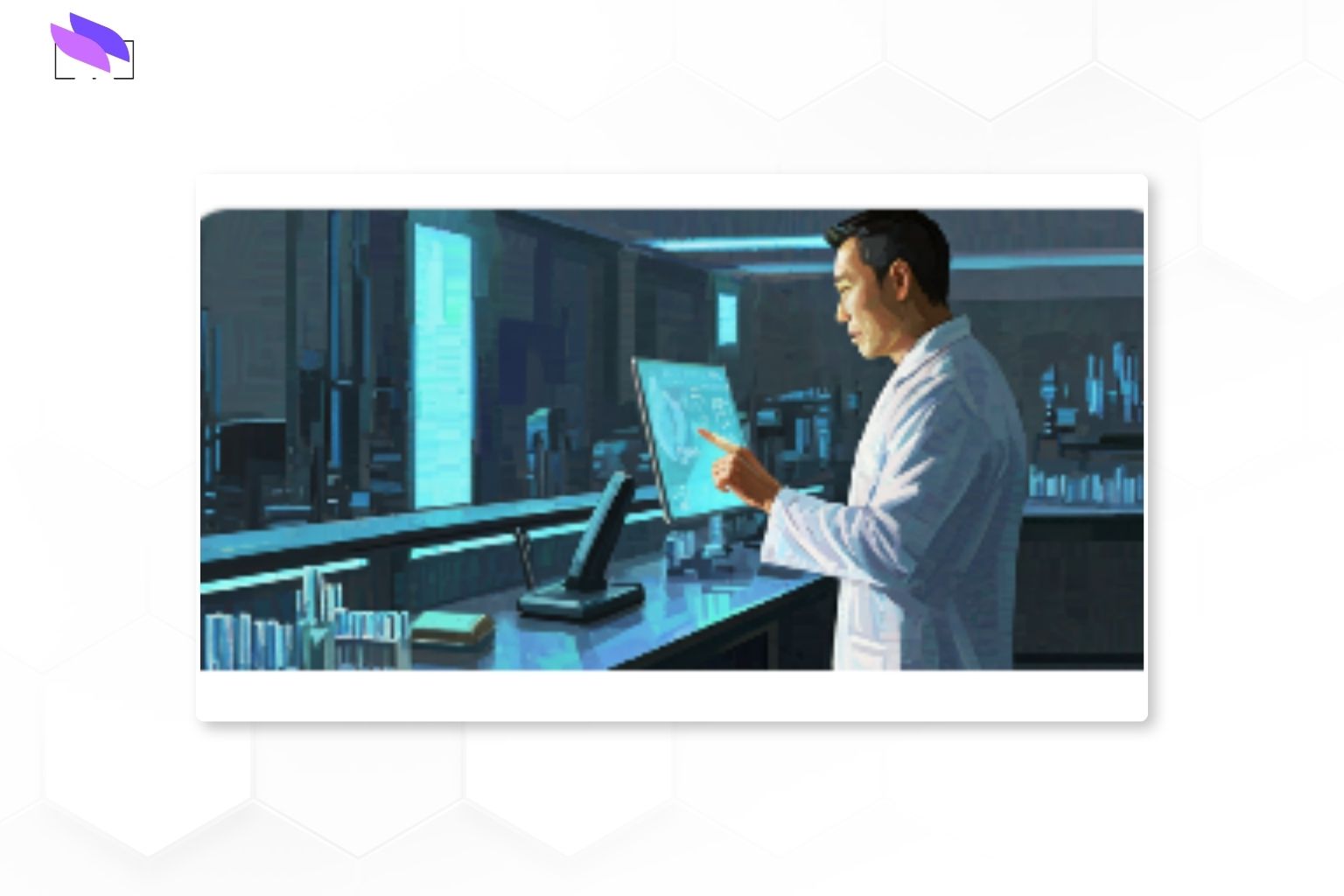
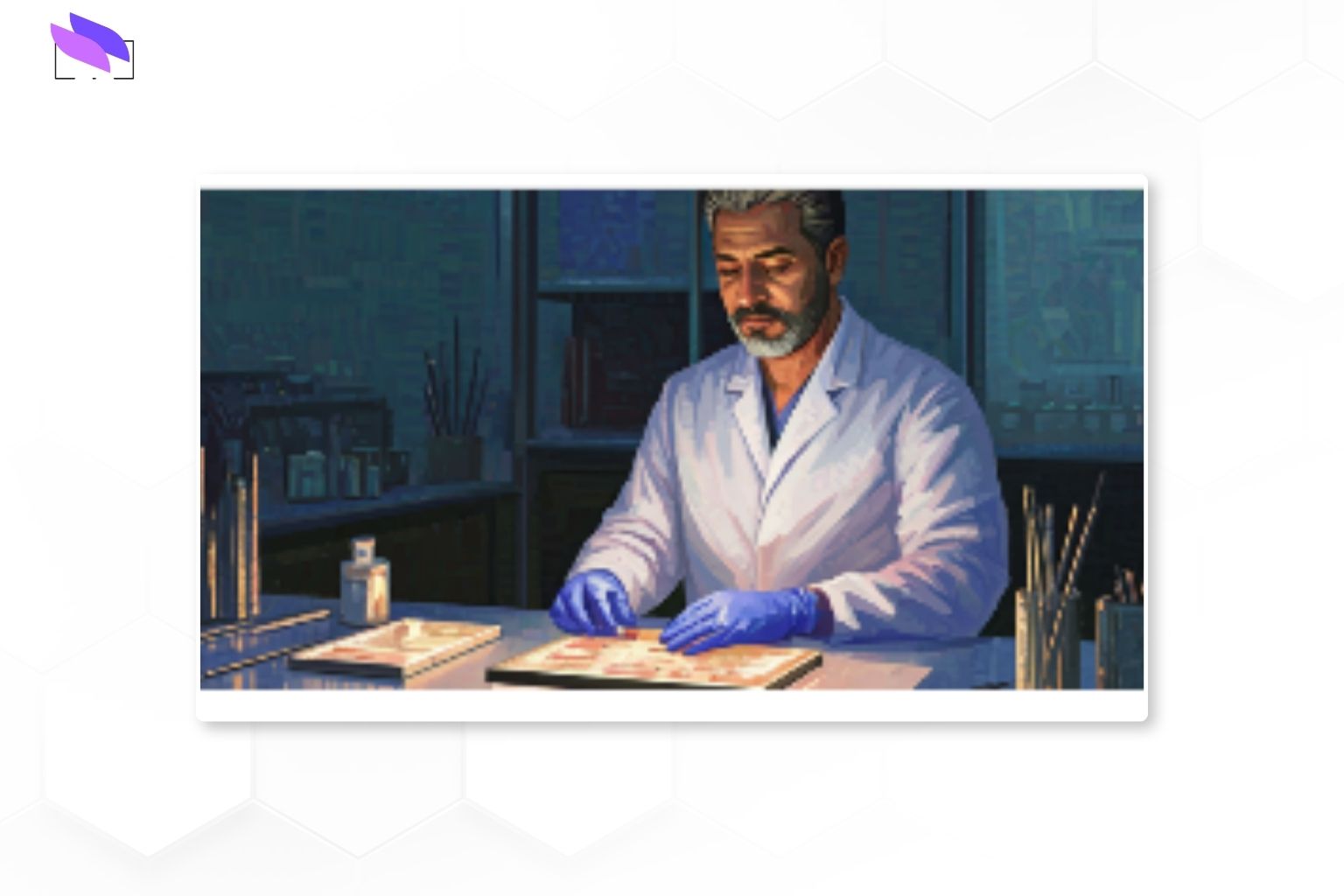
Modern pathology labs are evolving rapidly, blending advanced technology with ergonomic design to improve both efficiency and staff well‑being. At ISTOS Medical, our vision is clear: create laboratory environments that are safer, smarter, and more intuitive for the professionals who rely on them every day.
Why Ergonomics Matters in Pathology
Pathologists and technicians spend long hours handling delicate specimens. Poor ergonomics can lead to fatigue, errors, and even long‑term health issues. By integrating adjustable workstations, intuitive layouts, and anti‑fatigue provisions, ISTOS ensures that every operator can work comfortably and sustainably.
Smart Sample Tracking for Accuracy
Sample mislabeling or workflow bottlenecks can compromise diagnostic quality. ISTOS introduces digital sample tracking systems that streamline the journey from grossing to reporting:
- Barcode and RFID integration for error‑free identification
- Transparent digital dashboards for real‑time monitoring
- Automated alerts to prevent workflow delays
- Seamless connectivity with Laboratory Information Systems (LIS)
Operational Efficiency Through Innovation
Efficiency isn’t just about speed — it’s about precision and safety. ISTOS solutions combine:
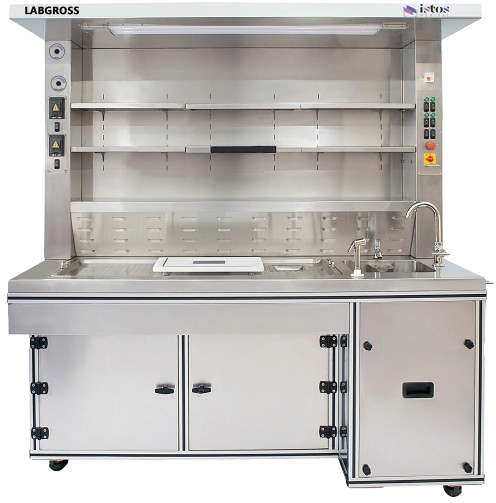
- Ergonomic workstations designed for long sessions
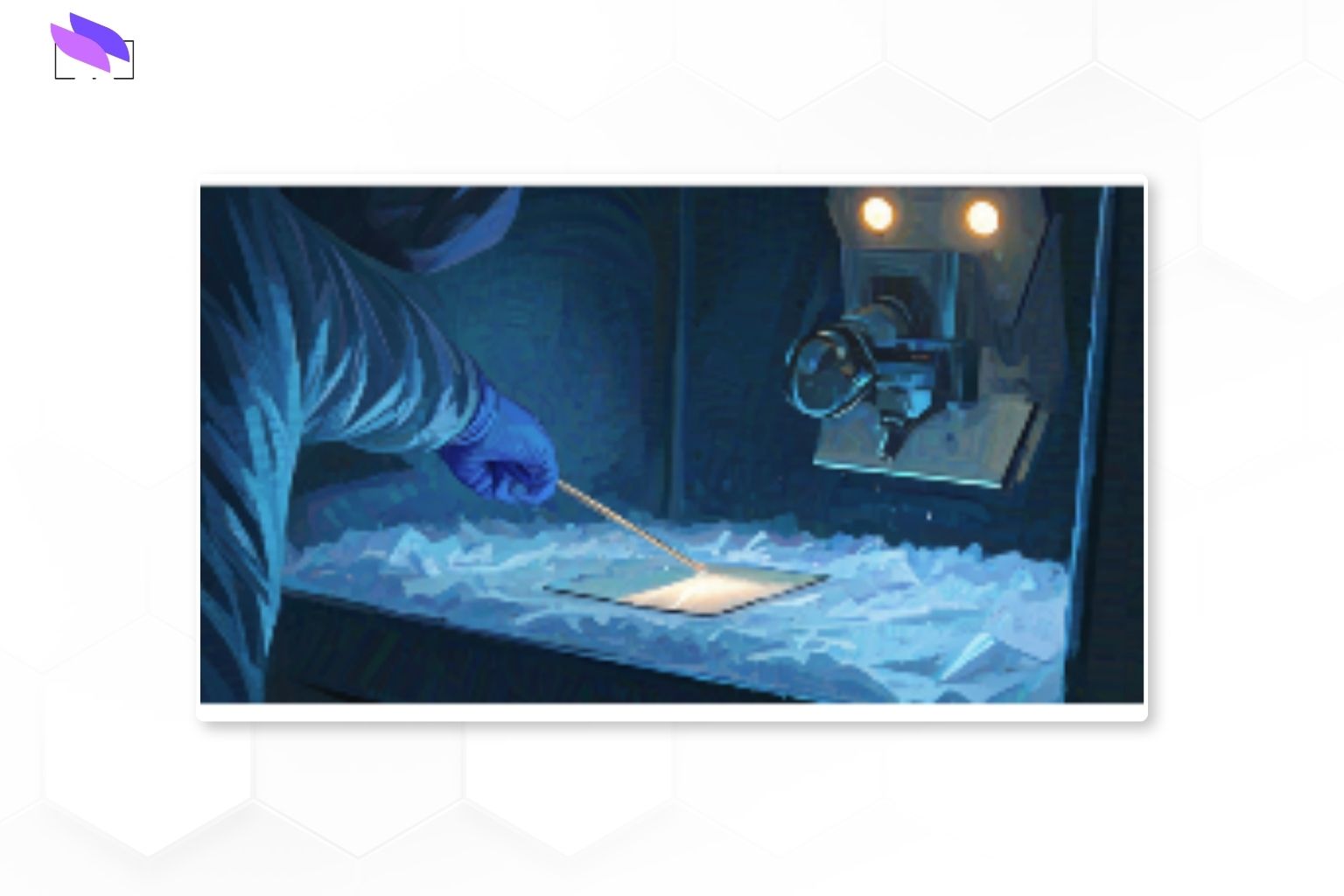
- Smart ventilation and safety features to protect staff
- Integrated digital interfaces for specimen documentation
- Scalable modules that grow with your lab’s needs
The Future of Pathology Labs
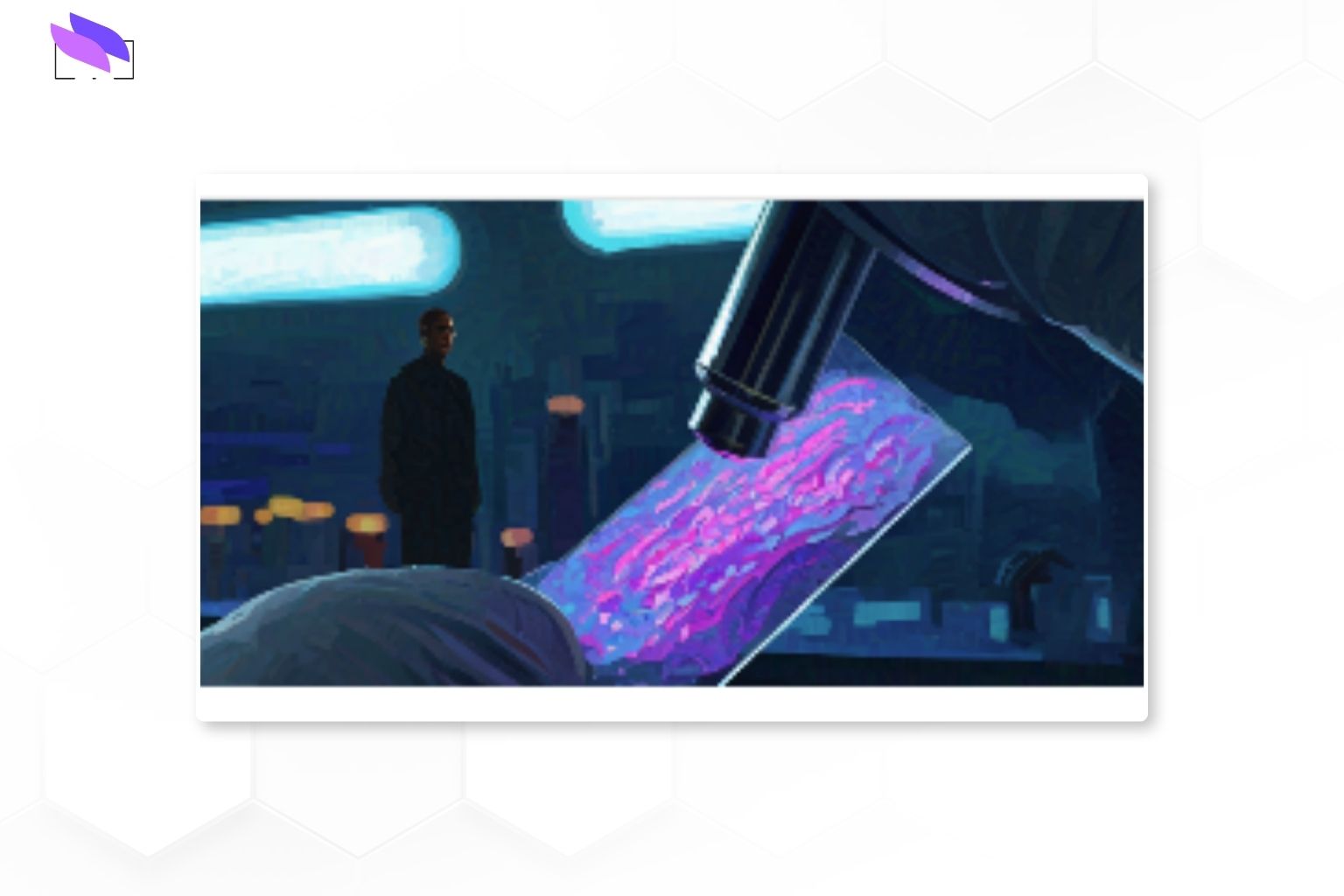
By merging ergonomic design with smart tracking technology, ISTOS Medical is redefining how labs operate. The result is a workspace that minimizes risk, maximizes accuracy, and empowers staff to focus on what matters most — delivering reliable diagnoses.
💡 Takeaway: ISTOS Medical’s approach to lab ergonomics and smart sample tracking is more than innovation; it’s a commitment to operational excellence.
Ergonomics and its impact on pathology teams
| Challenge |
What it looks like in the lab |
Ergonomic response |
Benefit for staff and quality |
| Long hours at benches |
Technologists standing or sitting in one position for extended periods during grossing, processing and microtomy.
|
Height‑adjustable workstations, appropriate seating and anti‑fatigue surfaces where standing is frequent.
|
Less strain on back, neck and legs, with more sustainable focus over the course of a shift.
|
| Repetitive fine movements |
Repeated cutting, labeling and pipetting that can overload small joints and muscles.
|
Intuitive control layouts and supports that keep wrists in neutral positions and minimise unnecessary reach.
|
Reduced risk of repetitive‑strain issues and steadier hand control for delicate tasks.
|
| Visual fatigue |
Continuous microscope and screen work under sub‑optimal lighting conditions.
|
Task lighting and balanced ambient illumination to keep fields bright without glare.
|
Clearer visual fields, fewer headaches and more consistent interpretation of details.
|
| Crowded work areas |
Instruments, samples and tools competing for bench space, forcing awkward postures.
|
Deliberate layouts with clearly defined zones for equipment, documentation and movement.
|
Safer traffic flow, fewer interruptions and a lower chance of handling errors.
|
How smart tracking supports comfortable, error‑resistant work
| Tracking element |
What it does |
Effect on ergonomics |
Effect on accuracy |
| Barcode / RFID identification |
Links each specimen and block to a unique digital identity from receipt to reporting.
|
Cuts down on manual handwriting and re‑labeling, easing strain on hands and wrists.
|
Reduces mislabeling risk and makes audit trails straightforward to follow.
|
| Real‑time dashboards |
Shows where each case is in the workflow and highlights bottlenecks early.
|
Minimises unnecessary walking and searching for trays, supporting calmer, more organised work.
|
Helps ensure specimens follow the intended path with fewer delays and hand‑offs.
|
| Automated alerts |
Notifies teams about overdue steps, instrument status or pending approvals.
|
Reduces mental load by removing the need to remember every timing checkpoint.
|
Supports on‑time processing and lowers the likelihood of missed actions.
|
| LIS connectivity |
Syncs sample data with the Laboratory Information System without duplicate entry.
|
Limits repetitive keyboard work and helps staff stay focused on core technical tasks.
|
Keeps patient and specimen data aligned across systems for safer reporting.
|
Where ergonomic design meets day‑to‑day efficiency
| Design focus |
What ISTOS emphasises |
Operational outcome |
Example in the lab |
| Workstation layout |
Clear, task‑oriented zones for preparation, documentation and disposal.
|
Less movement, fewer interruptions and smoother hand‑offs between steps.
|
Grossing benches with built‑in areas for cassettes, labels and digital capture.
|
| Posture and reach |
Adjustable heights and control positions that keep shoulders relaxed and arms close to the body.
|
Lower fatigue across shifts and more consistent performance during peak workloads.
|
Instruments configured so core controls and frequently used tools are within easy reach.
|
| Safety and ventilation |
Integrated ventilation and shielding that work in the background without disrupting tasks.
|
A healthier environment with fewer nuisance alarms and workflow stoppages.
|
Workstations that capture fumes at the source while leaving the work surface accessible.
|
| Digital touchpoints |
Interfaces that mirror lab workflows, with clear prompts and minimal clicks.
|
Faster documentation, fewer data entry errors and easier onboarding of new staff.
|
On‑instrument screens for recording specimen details, linked to sample tracking.
|
Conclusion
ISTOS Medical helps labs achieve higher productivity, safer environments, and better diagnostic outcomes. With advanced digital interfaces and ergonomic workstations, we deliver solutions that transform pathology workflows.
📞 Contact ISTOS Medical at +91 80 2686 0607 or +91 99001 98668, or email talktous@istos.in for specifications, site visits, and installation planning.