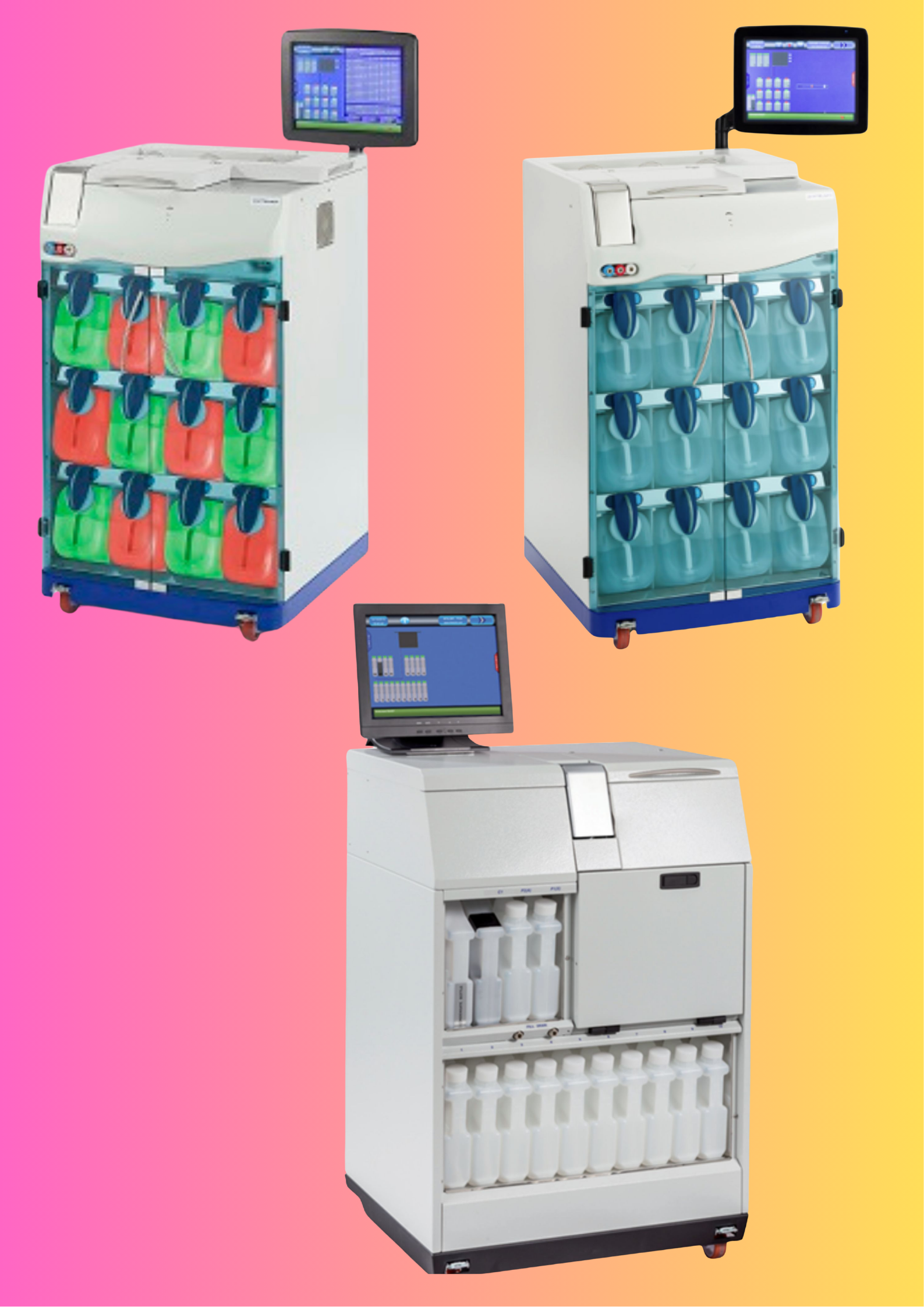
 How to Choose the Right Tissue Processor for Your Laboratory
Selecting the right Tissue Processor is one of the most important decisions for any Histopathology laboratory. The quality of tissue processing directly influences section quality, staining consistency, diagnostic accuracy, and overall laboratory productivity.
Tissue processing is the foundation of Histopathology workflow. Every specimen destined for microscopic examination must undergo dehydration, clearing, and paraffin infiltration before it can be sectioned and stained.
Choosing the wrong processor can lead to workflow bottlenecks, increased reagent consumption, tissue artifacts, and higher operating costs. Choosing the right system helps laboratories improve efficiency, standardize results, and support accurate diagnoses.
1. Evaluate Your Laboratory Workload
Before selecting a Tissue Processor, it is important to understand your laboratory's daily specimen volume and future growth expectations.
- Low-volume laboratories may require compact processors.
- Medium-sized laboratories benefit from flexible automated systems.
- High-throughput facilities require processors capable of handling large biopsy workloads efficiently.
Matching processor capacity to laboratory workload helps avoid unnecessary costs while ensuring sufficient processing capability.
2. Focus on Tissue Quality
The primary purpose of a Tissue Processor is to preserve tissue morphology while preparing specimens for embedding and sectioning.
- Consistent dehydration cycles
- Reliable paraffin infiltration
- Uniform reagent exchange
- Minimal tissue shrinkage
- Reduced processing artifacts
High-quality processing leads to superior section quality and improved diagnostic confidence.
3. Consider Automation Features
Modern Tissue Processors provide advanced automation capabilities that simplify laboratory operations and improve consistency.
- Programmable processing protocols
- Delayed start scheduling
- Automatic reagent management
- Remote monitoring capabilities
- User-friendly touchscreen interfaces
Automation helps reduce manual intervention and minimizes the risk of operator errors.
4. Prioritize Laboratory Safety
Histopathology laboratories routinely handle chemicals such as formalin and xylene. Safety features should therefore be a key consideration.
- Closed reagent systems
- Fume containment technology
- Leak detection mechanisms
- Safe reagent replacement procedures
- Operator protection systems
Modern safety-focused processors help create a healthier working environment for laboratory personnel.
5. Evaluate Long-Term Operating Costs
Equipment cost should not be the only factor influencing purchasing decisions.
- Reagent consumption efficiency
- Maintenance requirements
- Spare parts availability
- Service support accessibility
- Expected equipment lifespan
The most economical solution is often the one that delivers reliable performance with lower lifetime operating costs.
6. Choose a Reliable Service Partner
Even the most advanced Tissue Processor requires installation support, user training, preventive maintenance, and technical assistance.
- Application training
- Installation support
- Preventive maintenance programs
- AMC & CMC services
- Fast technical response times
A strong service infrastructure ensures maximum uptime and long-term laboratory productivity.
Choosing the Right Tissue Processor is an Investment in Diagnostic Excellence
A Tissue Processor is much more than a piece of laboratory equipment. It is a critical component of the Histopathology workflow that directly impacts tissue quality, sectioning performance, staining consistency, and diagnostic outcomes.
By carefully evaluating workload requirements, automation capabilities, safety features, operating costs, and service support, laboratories can make informed decisions that improve efficiency and support long-term growth.